The United States and Iran have signed a 14-point Memorandum of Understanding aimed at ending hostilities, reopening the Strait of Hormuz, and launching negotiations on sanctions relief and Iran's nuclear programme. A US official provided what was described as the text of the preliminary agreement, which outlined a $300 billion plan for Iran's reconstruction and 60 days of talks on its nuclear program.
The 14-Point Peace Deal
| Provision | Detail |
|---|---|
| Ceasefire | Immediate halt to hostilities |
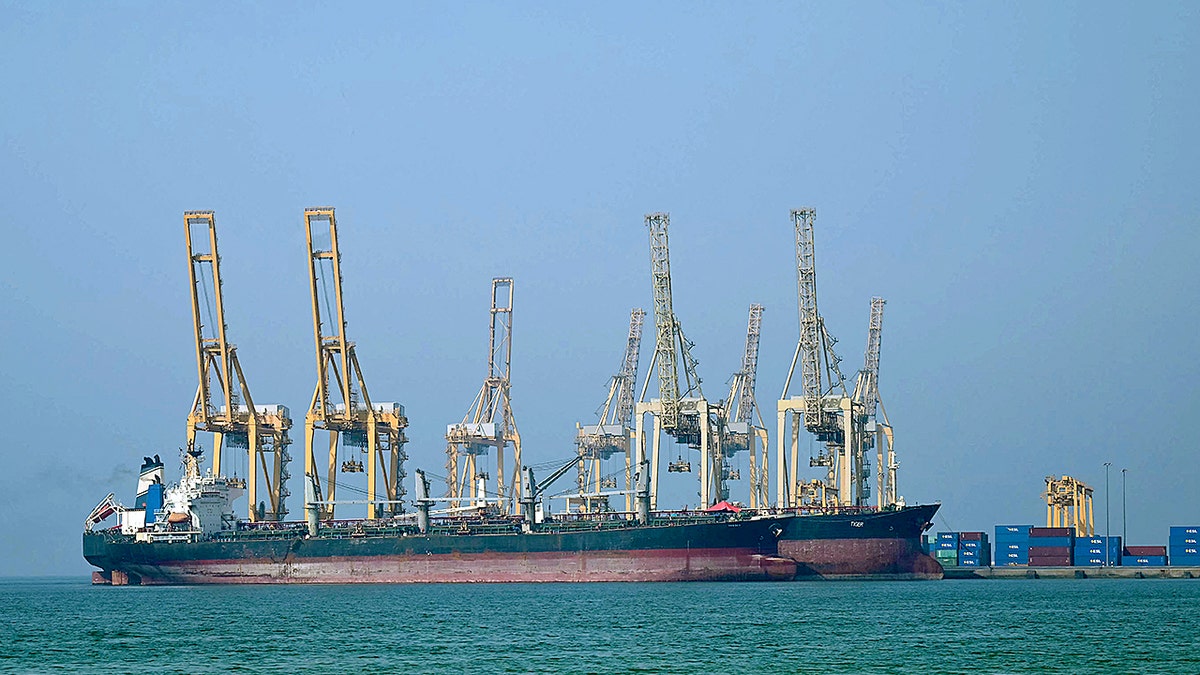
| Strait of Hormuz | Reopening to commercial shipping |
| Iran reconstruction | $300 billion plan |
| Nuclear talks | 60-day negotiation window |
| Sanctions relief | Negotiations to begin |
| Frozen assets | $100 billion held by China, India, Iraq addressed |
Pakistan said the MoU comes into immediate effect. The agreement was digitally signed by President Trump and Iranian President Pezeshkian, with negotiations mediated through backchannels over the past several weeks. The deal marks a dramatic de-escalation after weeks of military confrontation in the Gulf region.
Impact on Oil Markets and Shipping
The reopening of the Strait of Hormuz — through which approximately 20 percent of global oil passes — is expected to significantly lower crude prices, which had spiked above $95 per barrel during the crisis. Crude oil prices have already moved lower following the announcement. As Voxlogue reported earlier today, Indian markets have rallied on the falling crude prices, with the Sensex crossing 77,000.

India's $100 Billion Stake in Iran's Frozen Assets
A key part of the deal involves Iran's approximately $100 billion in frozen assets held across multiple countries. India holds a significant portion of these assets — payments for Iranian oil that were frozen under US sanctions. The resolution of these funds could lead to increased bilateral trade and potentially open new energy cooperation channels. Voxlogue previously reported on how the Iran peace deal impacts Indian markets and oil prices.
What This Means for Global Energy Security
The reopening of Hormuz resolves one of the most significant supply-side risks in global energy markets. For India, which imports 85 percent of its oil requirements, the deal provides immediate relief on the import bill and supports the government's inflation management efforts. The deal also opens the door for Indian companies to participate in Iran's reconstruction — a potentially multi-billion dollar opportunity in infrastructure, energy, and technology sectors.