What Happened
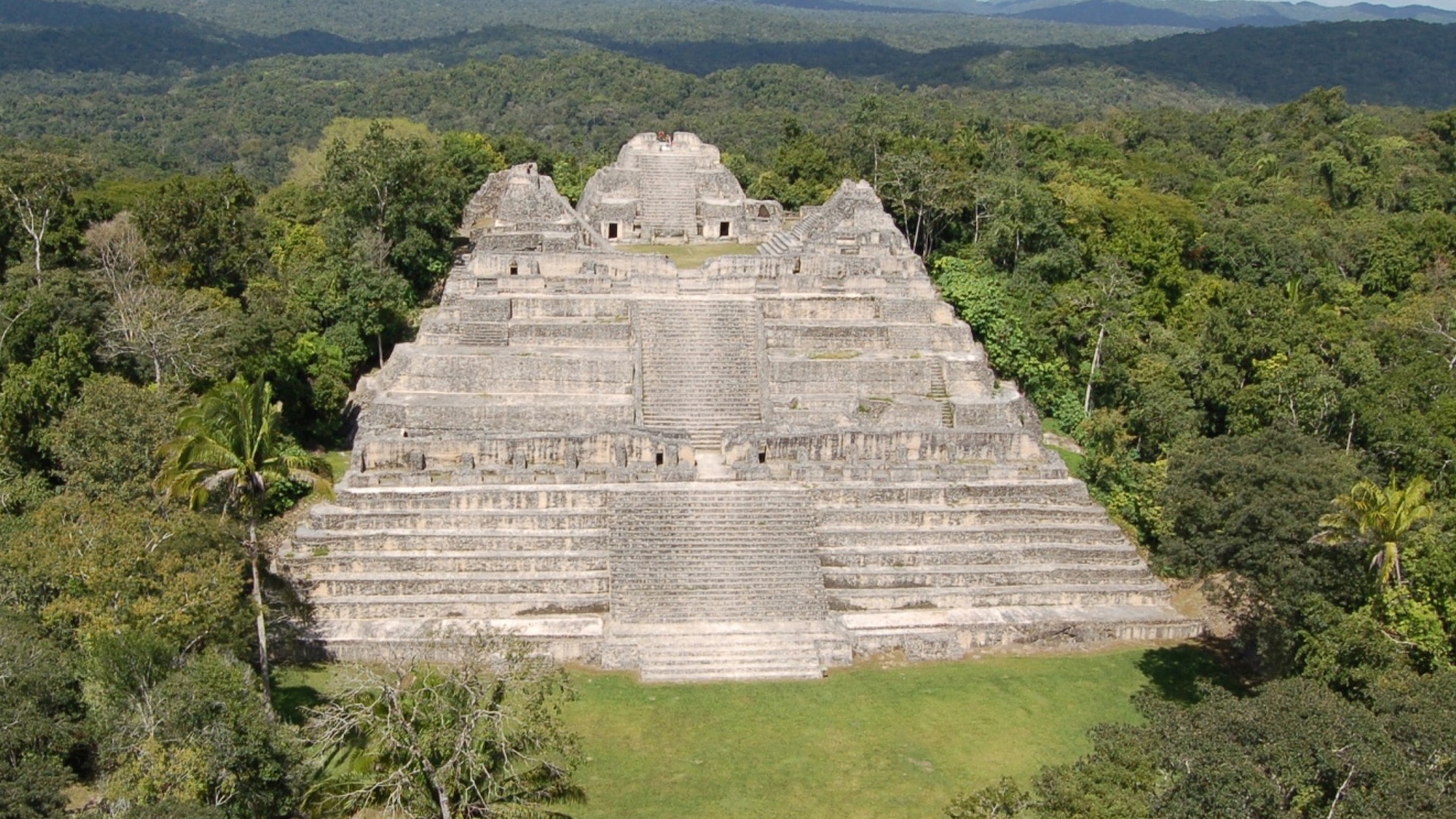
Mexican archaeologists have announced the discovery of a previously unknown pre-Hispanic structure and sculpture in the eastern state of Veracruz, bearing features similar to those of the Maya culture along with characteristics described as never before seen. The find was made during excavations at an archaeological site in Coatepec, Veracruz, a region already known for its rich pre-Columbian heritage. The discovery includes a sculpted anthropomorphic whistle face and the remains of a ceremonial structure that experts believe could reshape understanding of cultural interactions in ancient Mesoamerica.
What Was Found
The excavation team uncovered a structure featuring architectural elements that blend Maya, Totonac, and Huastec influences, suggesting a previously unknown cultural exchange network in pre-Columbian Veracruz. The anthropomorphic whistle face — a ceramic artifact shaped like a human face with distinct facial features — is particularly significant because its artistic style does not match any known Mesoamerican tradition. Archaeologists believe the site may have served as a ceremonial center for a culture that acted as a bridge between the Maya lowlands and the Gulf Coast civilizations. Carbon dating of organic material found at the site places the construction between 600 and 900 CE, during the Late Classic period of Mesoamerican chronology.
Why This Discovery Matters
The discovery challenges existing theories about the cultural boundaries between Mesoamerican civilizations. Veracruz was historically considered a transition zone between the Maya region to the southeast and the central Mexican cultures to the west, but the unique stylistic elements of this find suggest that the area hosted a distinct cultural tradition that has been largely invisible in the archaeological record. The structure also contains evidence of astronomical alignment, with its main entrance oriented toward the rising sun during the summer solstice — a feature common in Maya architecture but previously undocumented at this latitude in Veracruz.
India Angle
India shares a deep connection with archaeological discovery, having one of the world's richest archaeological heritages from the Indus Valley Civilization to countless medieval sites. Indian archaeologists from the Archaeological Survey of India (ASI) have developed expertise in uncovering and preserving ancient urban centers, and the techniques used by Mexican teams — including ground-penetrating radar and LiDAR scanning — are similar to those employed at sites like Dholavira and Rakhigarhi. The discovery also highlights the universal human drive to understand our shared ancient past. For Indian audiences, the finding reinforces that much of human history remains undiscovered — a reminder that ASI's ongoing work at submerged sites off the Gujarat coast and in the central Indian forests may yet yield equally transformative discoveries.
For related Voxlogue context, read Million-Year-Old Time Capsule Discovered in New Zealand Cave Reveals Lost Ecosystem and Flying Kakapo Ancestor, and Scientists Discover Hidden Immune Brake SLAMF6 That Lets Cancer Escape Immunotherapy — Major Breakthrough Offers New Hope.
Sources
• AFP (via Mint): World News Live Updates, June 20, 2026
• Reuters: Mexican archaeology discovery
• National Institute of Anthropology and History (INAH), Mexico
Internal Links
• Global cultural and civil society developments
• Science and discovery across disciplines