The Strategic Picture
As the war enters its fifth summer campaigning season, the front line across Ukraine has shifted in character. The significant Russian advances of 2024 and early 2025 have slowed markedly. According to the Institute for the Study of War (ISW), Ukrainian forces have largely halted the Russian Spring-Summer 2026 offensive.
Commander-in-Chief General Oleksandr Syrskyi stated that Ukraine has recaptured more than 600 square kilometres of territory during 2026, and in May alone regained more ground than it lost. The approximately 1,200-kilometre front is now defined by attritional manoeuvre — where drones, long-range strikes, and logistics interdiction increasingly determine outcomes more than traditional massed assaults.
Key Developments (June 1-12)
| Date | Event |
|---|---|
| Jun 1 | ISW: Russian Spring-Summer 2026 offensive largely halted; Ukraine recaptures 600 sq km in 2026 |
| Jun 8 | NATO forces down a Russian drone over Latvia for the first time after EW systems diverted it into NATO airspace |
| Jun 8 | Russia launches 155 drones against Ukraine overnight — 124 downed; 20 drones strike 17 locations |
| Jun 8 | Russian command reportedly withdrawing forces from Kinburn Spit as Ukraine strike campaign renders the position untenable |
| Jun 11 | Ukraine strikes Russian-occupied Mariupol port with Flamingo missiles, plunging the site into a blackout |
| Jun 11 | Ukraine hits Chonhar bridge — key Russian logistics link connecting Crimea to occupied southern Ukraine |
NATO Airspace Breach — A Dangerous First
On June 8, NATO forces stationed in Latvia downed a Russian drone that had been diverted into Latvian airspace by Russian electronic warfare systems. This marks the first time NATO has directly engaged a Russian aerial asset over a member state since the war began.
The incident underscores a growing risk: as Russia deploys increasingly autonomous drone swarms with imperfect EW control, the probability of spillover into NATO territory rises. Latvia, Estonia, and Poland have all reported airspace violations by stray drones in 2026.
Ukraine Strike Campaign Reshapes the Battlefield
Ukraine precision strikes on Russian logistics have become the defining feature of the 2026 campaign. The June 11 strike on Mariupol port and the Chonhar bridge attack are part of a systematic degradation of Russian supply lines connecting Crimea to occupied southern Ukraine.
The ISW assessed that Russian forces are withdrawing from the Kinburn Spit in Mykolaiv Oblast because Ukrainian intermediate-range strikes are making the position increasingly untenable. The Kremlin continues to reject peace negotiations despite repeated Ukrainian offers for direct talks.
Kramatorsk-Kostiantynivka: The Pivot Point
Military analysts now regard the Kramatorsk-Kostiantynivka defensive belt as the principal theatre of Russian offensive operations. The strategic logic is straightforward: capturing the remaining major urban centres of Ukrainian-controlled Donetsk Oblast would allow Moscow to claim achievement of a principal war aim.
But the fortifications built over more than a decade remain formidable. Ukrainian forces continue to hold these positions despite relentless Russian pressure, benefiting from Western-supplied air defence systems and precision artillery.
What It Means for India
Diplomacy: India maintains its position of strategic autonomy, calling for dialogue while continuing energy trade with Russia. India has not condemned Russia at the UN, but Prime Minister Modi message to President Zelenskyy in early 2026 reiterated support for sovereignty and territorial integrity.
Energy: India imports of discounted Russian crude have risen to ~35% of total oil imports, saving an estimated $4-5 billion in 2025-26. However, secondary sanctions risk and price cap compliance remain persistent concerns for Indian refiners.
Defence: The war has accelerated India push for defence indigenisation. Delays in Russian S-400 deliveries and spare parts have reinforced the case for domestic production under the Aatmanirbhar Bharat framework. India defence exports crossed ₹21,000 crore in FY26.
Food security: Disrupted Black Sea grain flows continue to affect global wheat and sunflower oil prices, with direct impact on Indian consumers. India's own wheat export ban remains in place.
What Next
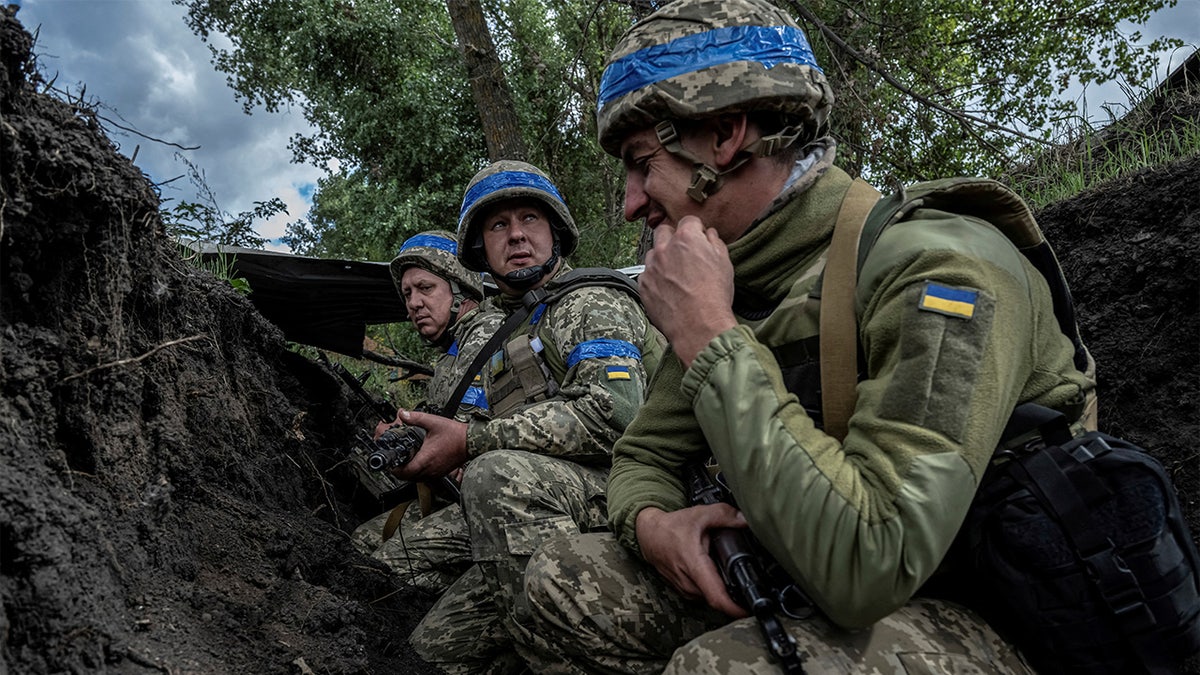
The front line is best characterised as strategic stalemate with tactical dynamism. Russia retains significant manpower advantages but Ukraine has demonstrated an ability to absorb attacks, conduct effective counter-strikes, and increasingly disrupt Russian logistics.
NATO drone interception in Latvia is a red-line moment that will echo in Brussels and Washington. The broader picture: diminishing Russian momentum, improving Ukrainian defensive effectiveness, and a war increasingly fought by drones and long-range fire rather than massed infantry.
Sources: Institute for the Study of War (ISW), The Guardian, Lviv Herald, EMPR Media, Sky News, UnderstandingWar.org
Related on Voxlogue: US Downs Iranian Drones Over Hormuz — parallel escalation in the Gulf. China-Taiwan Pratas Standoff — as Europe burns, the Indo-Pacific heats up.
See also: Haiti's Top Security Official James Boyard Kidnapped in Port · Trump Says Iran Peace Deal Signed Today — Strait of Hormuz t
Sources
- Reuters World — reuters.com/world
- Associated Press — apnews.com
- Voxlogue editorial research