What Happened
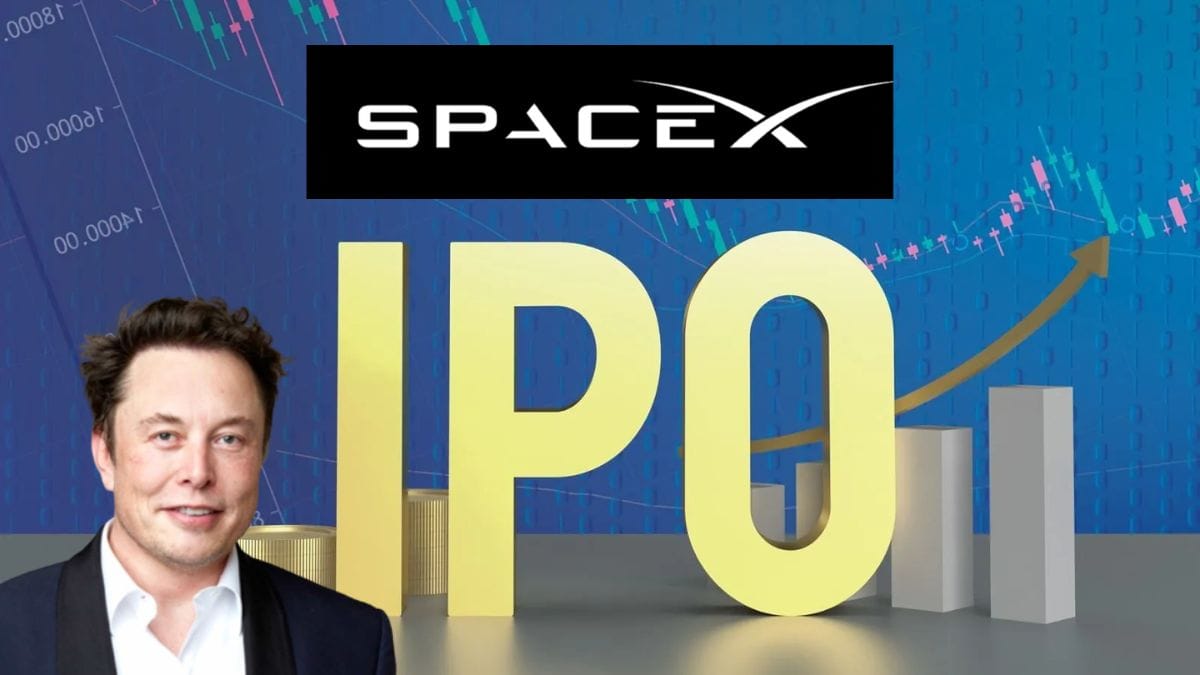
SpaceX is preparing to raise at least $20 billion through its first-ever investment-grade bond offering, according to two sources familiar with the matter. Bankers from Bank of America, Citigroup, JPMorgan Chase, Goldman Sachs, and Morgan Stanley are expected to begin discussions with investors as early as next week, as Elon Musk's newly public company seeks capital for an ambitious artificial intelligence expansion. The bond deal comes less than two weeks after SpaceX closed the record $75 billion IPO with a $1.77 trillion market capitalization, making it one of the most valuable publicly traded companies in the world.
Why SpaceX Needs 20 Billion
The proposed bond issuance is primarily earmarked to refinance a $20 billion bridge loan that SpaceX took out earlier this year after acquiring Elon Musk's AI startup xAI in February. The company needs additional capital to fund its ambitious AI buildout, which includes data centers, compute hardware, power infrastructure, and continued development of its Colossus AI platform. S&P Global Ratings assigned SpaceX an investment-grade BBB rating with a stable outlook but noted that the company will likely need to raise additional capital through both debt and equity markets. The ratings agency projects negative free cash flow through 2029, with leverage peaking at approximately 1.2 times in 2028 before improving as Starlink connectivity revenue grows and the AI division begins monetizing.
Investment Grade Milestone
All three major ratings agencies - Moody's (Baa1), Fitch (BBB+), and S&P (BBB) - assigned investment-grade ratings to SpaceX, a significant milestone for a company that was issuing junk-rated debt just a few years ago. Starlink's growing revenue and the company's dominant position in the global launch market were the primary basis for the ratings. The investment-grade status allows SpaceX to borrow at significantly lower interest rates, reducing the cost of its massive capital expenditure program. However, all three agencies flagged risks: concentrated governance under Elon Musk, execution risk on Starship development, and the need for continued capital market access to fund the AI buildout through at least 2028.
What This Means for India
SpaceX's aggressive AI expansion has direct implications for India's space and technology sector. Starlink, SpaceX's satellite internet division, has been seeking regulatory approval to operate in India, where it would compete with Reliance Jio and Bharti Airtel in the broadband market. A well-capitalized SpaceX could accelerate Starlink's India rollout, potentially bringing high-speed internet to rural and remote areas. Additionally, SpaceX's expanding launch capacity could lower costs for Indian satellite operators and space startups. ISRO has historically been India's primary launch provider, but increased competition from SpaceX could drive down prices for commercial launches. The Indian space startup ecosystem, valued at over $40 billion, could benefit from SpaceX's infrastructure investments through partnerships and shared launch services.
Market Reaction
Despite the positive ratings news, SpaceX stock (ticker: SPCX) shed approximately $620 billion in market value over two sessions following reports of the bond deal. Morningstar issued a warning that the stock could face 65% downside from its current level, while retail investors who received an unusually large 20% allocation in the IPO continued to hold. The sell-off reflects concerns about the sheer scale of capital SpaceX will need to deploy before its AI and connectivity businesses become self-sustaining. For shareholders, the $75 billion IPO raise was not the end of the capital-raising cycle - it was the beginning.
For related Voxlogue context, read SpaceX Stock Tumbles 16.4% in Biggest Single-Day Drop as Company Confirms First-Ever $20 Billion Bond Issuance, and Anthropic Files Confidential IPO at $965 Billion Valuation, Setting Stage for Largest AI Public Offering.
Sources
- Reuters: SpaceX bankers prepare for potential $20 billion bond offering
- TechTimes: SpaceX Stock Sheds $620B as Bond Deal Reveals Debt Deadline
- TechStartups: Top Tech News Today, June 19, 2026
- Storyboard18: SpaceX eyes $20 billion bond sale