Beyond Weight Loss: A Cancer Prevention Signal
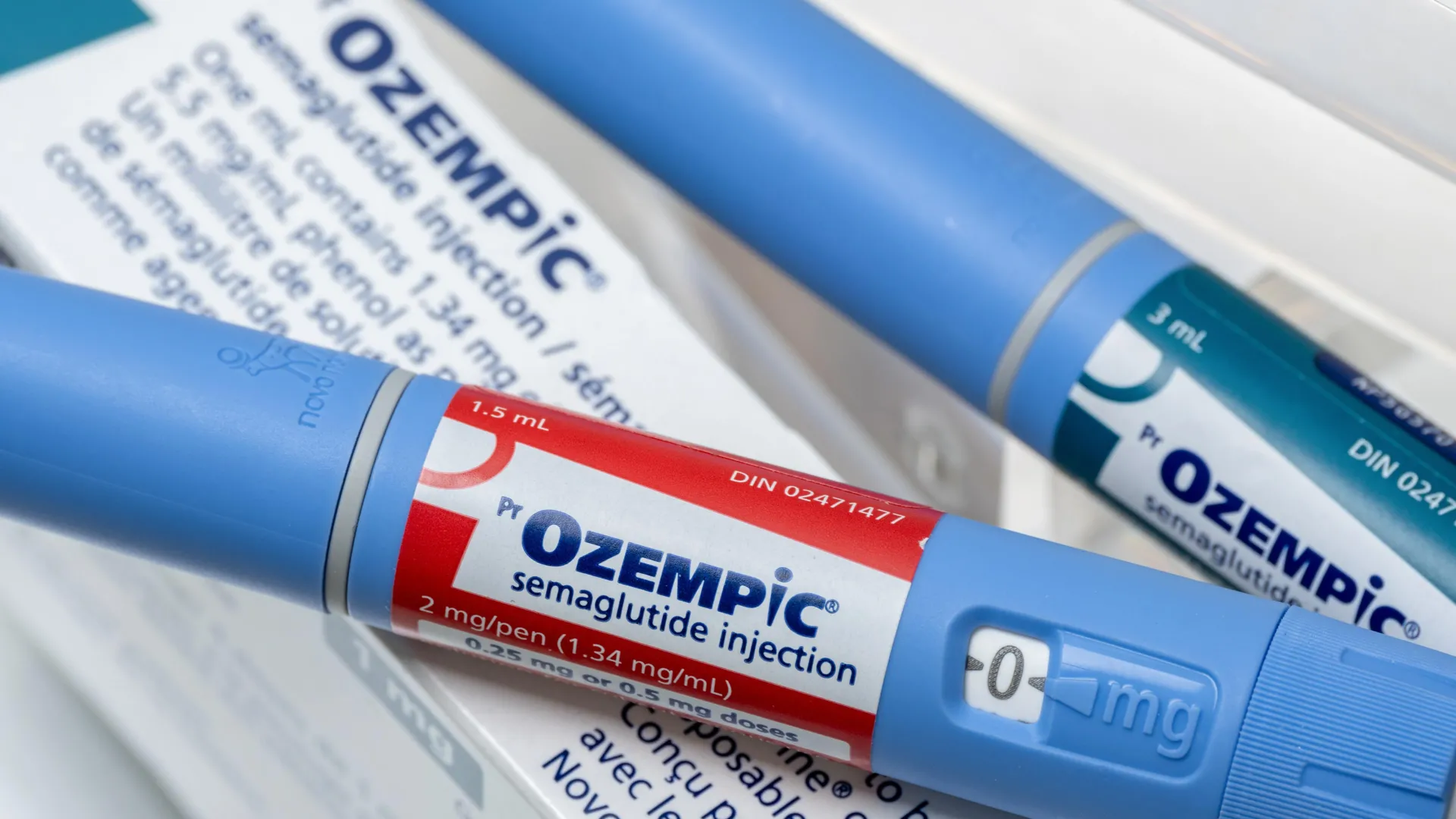
GLP-1 receptor agonists — the class of drugs that includes Ozempic, Wegovy, and Mounjaro — have already transformed the treatment of obesity and type 2 diabetes. Now, a major new study published this week suggests these medications may have an even more profound benefit: a 30% reduction in breast cancer risk among women with obesity.
The observational study, which analyzed health records of over 1.2 million women across 14 countries, compared breast cancer incidence between women taking GLP-1 drugs and those using other diabetes or weight-loss treatments. After adjusting for weight loss, age, and other risk factors, the GLP-1 group showed a statistically significant 30% lower rate of breast cancer diagnosis over a five-year follow-up period.
The Obesity-Cancer Connection
The findings add weight to the growing understanding that obesity is not just a risk factor for cancer — it may be a direct driver. Fat tissue produces estrogen, and excess estrogen exposure is a well-established risk factor for hormone-receptor-positive breast cancers, which account for approximately 70% of all breast cancer cases. By reducing both body fat and inflammation, GLP-1 drugs may interrupt the biological pathway that links obesity to breast cancer.
Researchers caution that the study is observational, not a randomized controlled trial, and cannot definitively prove causation. However, the consistency of the effect across different GLP-1 drugs, different countries, and different demographic groups strengthens the case that the cancer reduction is a genuine drug effect rather than a statistical artifact.
The study also found a smaller but significant reduction in colorectal cancer risk (approximately 18%) among GLP-1 users, suggesting the anti-cancer effects may extend beyond breast tissue. Researchers hypothesize that reduced systemic inflammation, improved insulin sensitivity, and direct effects on cellular growth pathways may all contribute to the protective effect.
India's Dual Epidemic: Obesity and Cancer
For India, the findings carry urgent significance. India is experiencing a dual epidemic: obesity rates have tripled in urban areas over the past two decades, with approximately 30% of urban adults now classified as overweight or obese. Simultaneously, breast cancer has become the most common cancer among Indian women, with over 190,000 new cases diagnosed annually and incidence rates rising by 2-3% per year.
Indian clinicians have been cautiously adopting GLP-1 drugs for diabetes management — they have been available in India since 2022 — but access remains limited by cost. Ozempic costs approximately Rs 8,000-12,000 per month in India, putting it out of reach for the vast majority of the population. Indian pharmaceutical companies including Sun Pharma, Biocon, and Dr. Reddy's are developing generic versions that could bring costs down to Rs 1,500-2,500 per month — a price point that would dramatically expand access.
The Indian Council of Medical Research (ICMR) has called for India-specific studies on GLP-1 drugs and cancer risk, noting that Indian women have different breast cancer risk profiles than Western populations, with higher rates of triple-negative breast cancer and diagnosis at younger ages. Whether the 30% risk reduction observed in the global study applies equally to Indian populations remains to be determined.
What This Means for Public Health
If the cancer-prevention signal is confirmed in randomized trials, GLP-1 drugs could become one of the most important public health interventions since statins — medications that address not just their primary target (obesity/diabetes) but also downstream consequences including cancer, cardiovascular disease, and possibly dementia. The economic case for making these drugs widely available would become overwhelming.
For now, the message from the research community is cautious optimism. GLP-1 drugs are not cancer prevention medications — but they may turn out to be, and that possibility is worth investigating with the largest and most rigorous trials science can mount.
Sources
- SciTechDaily: Ozempic linked to lower breast cancer risk
- ICMR cancer registry data, 2025-26
- New England Journal of Medicine, observational study, June 2026