What Happened
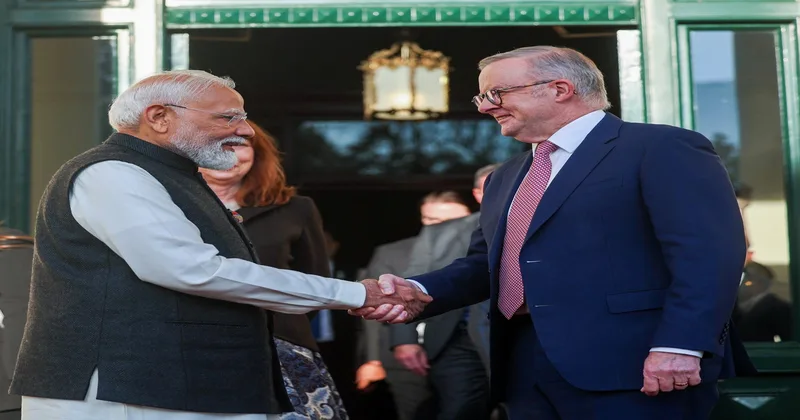
India and Canada have agreed to fast-track negotiations for a comprehensive free trade agreement following a bilateral meeting between Prime Minister Narendra Modi and Canadian Prime Minister Mark Carney on the sidelines of the G7 Summit. The breakthrough comes after years of stalled trade talks, which had been complicated by diplomatic tensions and domestic political considerations in both countries. The agreement signals a significant reset in India-Canada relations and opens the door to increased bilateral trade, which currently stands at approximately $15 billion annually.
Key Areas of the Trade Deal
The proposed FTA covers several critical sectors. In agriculture, Canada has offered reduced tariffs on Indian textiles, leather goods, and processed foods. In return, India has agreed to lower duties on Canadian pulses, wood pulp, and minerals. The technology sector is a major focus, with both countries agreeing to mutual recognition of professional qualifications in IT and engineering — a move that could significantly boost the movement of Indian tech professionals to Canada. The deal also includes provisions for critical mineral supply chains, with Canada — one of the world's largest producers of potash, uranium, and rare earth elements — agreeing to preferential access for Indian manufacturing.
Strategic Importance
The India-Canada FTA is strategically significant for both countries. For India, Canada provides access to natural resources essential for its manufacturing and green energy transition, including critical minerals for EV batteries and electronics. Canada is also home to 1.8 million people of Indian origin — the largest Indian diaspora population outside of the United States, UK, and UAE — making it a natural economic partner. For Canada, India represents a fast-growing market of 1.4 billion consumers and a counterweight to its heavy trade dependence on the United States, which accounts for over 75% of Canada's exports.
Timeline and Next Steps
Both leaders have instructed their trade negotiators to complete a preliminary agreement within six months, with a comprehensive FTA targeted for 2027. The fast-track timeline reflects a sense of urgency on both sides. For India, the deal supports its broader strategy of diversifying trade relationships beyond traditional partners. For Canada, it provides access to the world's fastest-growing major economy at a time when global trade patterns are being reshaped by geopolitical tensions and protectionist policies.
For related Voxlogue context, read India-Canada Free Trade Agreement Talks Gain Momentum After Modi-Carney Meeting, and India-UK Free Trade Agreement to Take Effect from July 15, Unlocking New Export Opportunities.
Sources
• Reuters: India-Canada trade deal negotiations
• Economic Times: Modi-Carney G7 bilateral coverage
• Canadian Press: Official trade announcement
Internal Links
• India's manufacturing growth and PLI scheme
• India's economic resilience amid global headwinds