The Big Picture
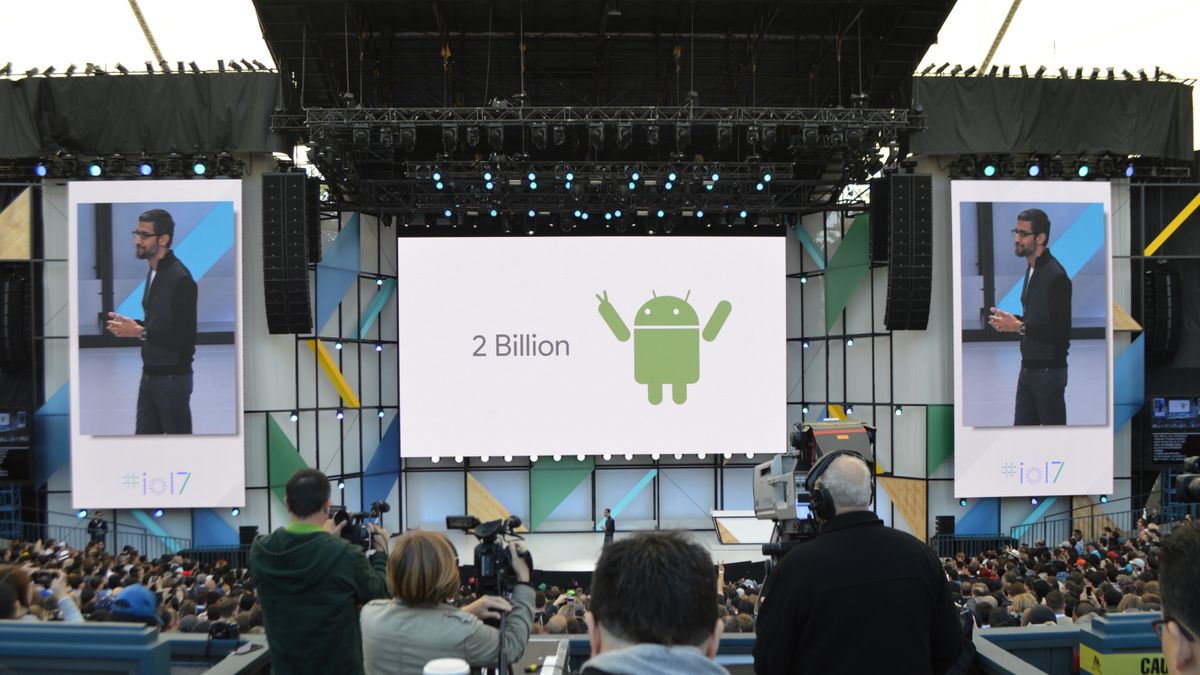
Google I/O 2026, held on May 19-20, marked a decisive shift from AI as a chatbot to AI as an agentic development platform. The company launched Gemini 3.5 Flash — its most capable model to date — alongside Antigravity 2.0, a standalone desktop application that lets developers orchestrate multiple AI agents. Google also unveiled Gemma 4 12B, DiffusionGemma, Gemini Omni, and a sweeping Gemini app overhaul.
But the story is bigger: Google is consolidating its developer tooling under Antigravity and shutting down the Gemini CLI and Code Assist IDE extensions on June 18, 2026 — a move that has drawn sharp criticism from the open-source community.
Key Announcements at a Glance
| Product | What It Is | Availability |
|---|---|---|
| Gemini 3.5 Flash | Frontier model outperforming Gemini 3.1 Pro at 4x speed; generates interactive UIs, graphics, animations | Available now in Gemini API, Google AI Studio, Antigravity |
| Antigravity 2.0 | Standalone desktop app for agent orchestration; dynamic subagents, scheduled tasks, parallel workflows | Public preview — free for individuals on macOS, Linux, Windows |
| Gemma 4 12B | Unified encoder-free multimodal model (text, image, video input); 256K context, 140+ languages | Apache 2.0 open weights on Hugging Face, Kaggle |
| Gemini Omni | Multimodal agent spanning voice, video, code, and search across all Google surfaces | Rolling out to Google AI subscribers |
| Live Translate 3.5 | Fluid, natural voice translation powered by Gemini 3.5 | Available June 2026 |
| Android Vibe Coding | AI-assisted Android app creation directly in Google AI Studio | Available now |
| Managed Agents | Persistent, isolated environments in the Gemini API with custom agent templates | Available now via Antigravity agent harness |
Antigravity 2.0: The Agent-Native IDE
Antigravity 2.0 is Google bet that the next IDE is not a code editor but an agent orchestrator. It allows developers to run multiple AI agents in parallel, schedule background tasks, and integrate across Google AI Studio, Android, and Firebase from a single desktop application.
In a headline-grabbing demo, Google claimed Antigravity 2.0 agents built a working operating system in 12 hours. The platform supports Gemini 3.5 Flash, Anthropic Claude Sonnet 4.5, and OpenAI GPT-OSS models, giving developers model optionality without switching tools.
The Gemini CLI Shutdown Controversy
Starting June 18, 2026 — just 5 days from now — Google is shutting down the open-source Gemini CLI, Gemini Code Assist IDE extensions, and Gemini Code Assist for GitHub for Pro, Ultra, and free-tier users. These tools are being folded into Antigravity CLI, a closed-source platform.
The developer backlash has been significant. Critics argue that Antigravity CLI lacks features the Gemini CLI had, and that forcing migration to a closed-source platform contradicts Google earlier commitment to open developer tooling. The New Stack called it a move from "open-source Gemini CLI to closed-source Antigravity CLI."
Gemini App: Taking on ChatGPT and Claude
Google updated its Gemini mobile app with a Daily Brief feature rolling out to US subscribers, a redesigned interface, and deeper integration with Google apps. The company said Gemini now has more than 900 million monthly users across 230+ countries and 40+ languages.
What It Means for India
Developer ecosystem: India is one of Google largest developer markets. The Antigravity 2.0 platform — free for individuals — dramatically lowers the barrier for Indian startups and indie developers to build agentic applications. The Gemini API managed agents feature enables persistent, stateful AI workflows without managing infrastructure.
Gemma 4 12B impact: The open-weights model with multimodal input (text, image, video) and 140+ languages is particularly significant for India multilingual AI ecosystem. Indian startups can fine-tune it for Indic language applications without API costs.
CLI shutdown impact: Indian developers who built workflows around the Gemini CLI have until June 18 to migrate. The forced transition to a closed-source platform may push some to alternatives like Claude Code or open-source tools.
IndiaAI Mission alignment: The availability of frontier models in free tiers aligns with India push for sovereign AI compute and developer enablement under the IndiaAI Mission.
Sources: Google Blog (I/O 2026), Livemint, Times of India, TechCrunch, The New Stack, Ars Technica, Tosea.ai, Google DeepMind
Related on Voxlogue: Meta $145B AI Capex — the spending war behind the models. Meta-Reliance AI Data Centre — India infrastructure play.
See also: US Blocks Foreign Access to Anthropic's Most Advanced AI — W · Elon Musk Becomes World's First Trillionaire: SpaceX's Recor
Sources
- Reuters Technology — reuters.com/technology
- TechCrunch — techcrunch.com
- Voxlogue editorial research