The Sugar Paradox
Cutting out sugar entirely has become one of the most popular health trends of the 2020s, embraced by wellness influencers, fitness enthusiasts, and a growing number of medical professionals. But a surprising new study published in the journal Cell Metabolism suggests that going completely sugar-free may have an unintended consequence: it could disrupt the delicate ecosystem of bacteria living in your gut.
Researchers at the University of California, San Diego tracked 240 participants who eliminated all added sugars from their diets for 12 weeks. At the end of the study period, while participants showed improvements in blood glucose, insulin sensitivity, and weight, stool samples revealed an unexpected finding: a significant decrease in microbial diversity, including reductions in several bacterial species associated with positive health outcomes.
Why Zero Sugar May Backfire
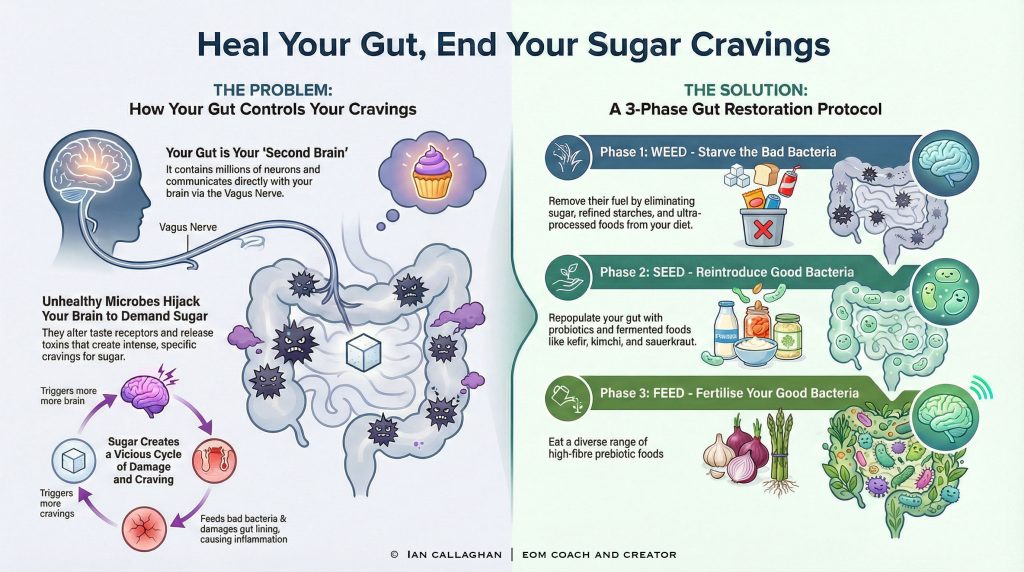
The mechanism appears to be related to how gut bacteria feed. Certain beneficial bacterial species — particularly Bifidobacteria and some Lactobacillus strains — thrive on complex carbohydrates and naturally occurring sugars found in fruits, vegetables, and whole grains. When participants eliminated all sugar, including the natural sugars in foods like apples, berries, and sweet potatoes, they inadvertently reduced the food supply for these beneficial microbes.
"The zero-sugar movement has conflated added sugar with all sugar," said Dr. Elisa Martinez, the study's lead author. "There's a world of difference between a can of soda and a banana. Our data suggests that eliminating natural sugar sources may be throwing the baby out with the bathwater."
The study also found that participants who maintained moderate consumption of naturally sweet whole foods — fruits, root vegetables, and fermented dairy products — maintained healthier and more diverse gut microbiomes than those who eliminated all sugar sources. The sweet spot, the researchers suggest, is eliminating added and refined sugars while maintaining natural sugar sources in the context of a whole-foods diet.
India's Sugar Dilemma
The findings are particularly relevant for India, which is both the world's largest consumer of sugar and home to a rapidly growing health-conscious middle class increasingly drawn to zero-sugar diets. India consumes approximately 27 million tonnes of sugar annually, and per capita sugar consumption has risen by nearly 30% over the past two decades — contributing to an epidemic of diabetes (101 million Indians are diabetic or pre-diabetic) and obesity.
Indian traditional diets have historically included natural sugar sources — jaggery, dates, mangoes, bananas, and milk-based sweets made from minimally processed ingredients. The shift toward refined sugar, high-fructose corn syrup, and ultra-processed foods has been identified as a primary driver of India's metabolic health crisis. The new research suggests that the solution may not be eliminating sugar entirely but returning to traditional, whole-food sugar sources while cutting out processed alternatives.
Indian researchers at AIIMS Delhi and the National Institute of Nutrition have been studying the gut microbiomes of Indian populations, finding that traditional Indian diets — rich in fermented foods like dosa, idli, yogurt, and pickles — support highly diverse gut ecosystems. The latest findings from UCSD add scientific weight to what grandmothers across India have been saying for generations: eat your fruits, don't skip the dahi, and avoid the packaged stuff.
Practical Takeaways
The study does not suggest that sugar is good for you — it very clearly is not, particularly in the quantities consumed in modern diets. What it does suggest is that the binary "sugar is poison" narrative is too simplistic. Natural sugars in whole foods come packaged with fiber, polyphenols, vitamins, and other compounds that modulate their metabolic effects and feed beneficial gut bacteria. Eliminating these foods to avoid their sugar content may be counterproductive.
For the millions of Indians navigating the confusing landscape of dietary advice, the message is nuanced but actionable: eliminate added sugars, especially from sugary drinks, processed snacks, and sweets made with refined sugar. But don't fear the natural sugars in whole fruits, root vegetables, and traditional fermented foods — your gut bacteria depend on them.
Sources
- SciTechDaily: Gut health risk of cutting out sugar
- Cell Metabolism, June 2026 — zero-sugar diet gut microbiome study
- ICMR-INDIAB study: diabetes prevalence in India, 2025