The $1,499 Lunchbox That Changes Everything

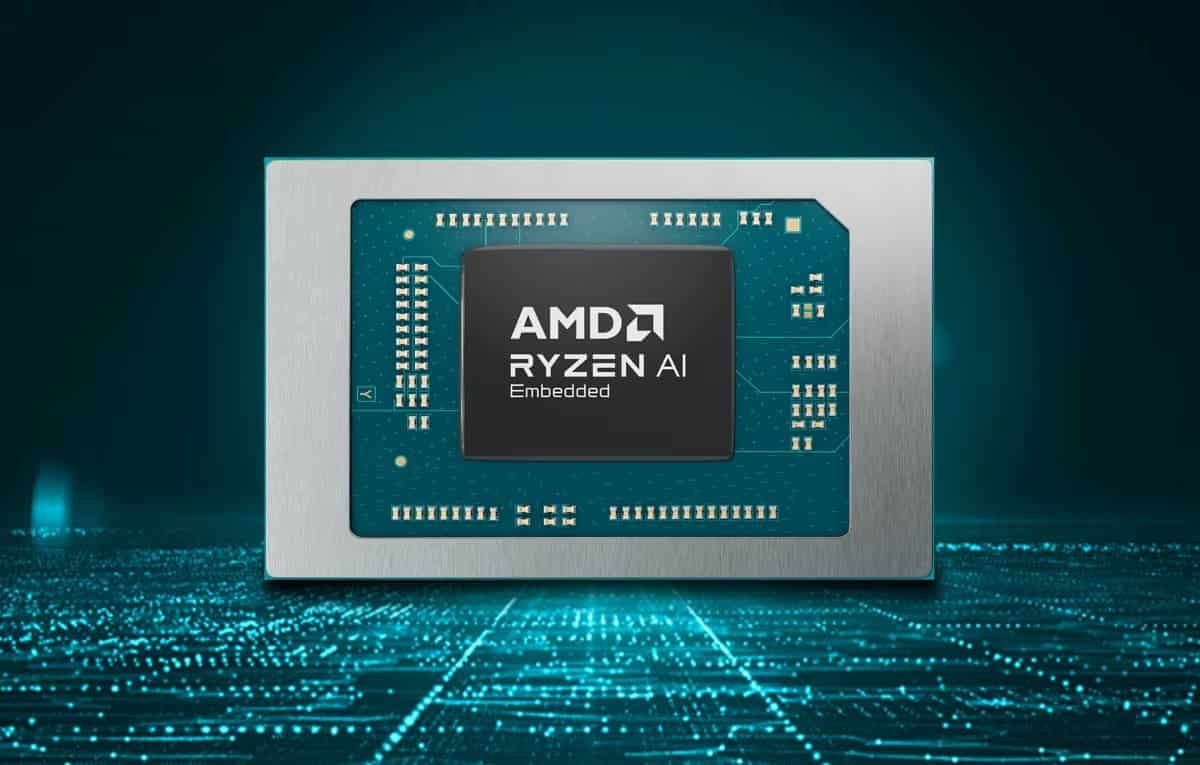
AMD CEO Lisa Su has launched one of the most aggressive attacks on Nvidia AI hardware dominance yet: a $1,499 AI inference device that delivers performance competitive with Nvidia $4,000 equivalent. The launch, which industry analysts are calling "the lunchbox that killed the data center," represents a dramatic escalation in the semiconductor pricing war that has defined the AI boom.
The device, built around AMD Instinct MI300X architecture, is designed for enterprises and developers who need local AI inference without the eye-watering costs of Nvidia H100 and H200 clusters. Early benchmarks suggest the AMD box delivers roughly 85% of the inference throughput of comparably priced Nvidia solutions at less than 40% of the cost — a price-performance ratio that could fundamentally reshape enterprise AI deployment economics.
Why Pricing Matters in the AI Chip Race
Since the ChatGPT moment in late 2022, Nvidia has enjoyed near-monopoly status in the AI accelerator market, with gross margins exceeding 70% on its data center products. This pricing power has made Nvidia one of the world most valuable companies but has also created a growing backlash among enterprise customers facing unsustainable AI infrastructure costs.
AMD strategy is clear: compete on total cost of ownership rather than raw benchmark supremacy. The $1,499 price point brings AI inference within reach of smaller enterprises, university labs, and startups that have been priced out of the Nvidia ecosystem. For Indian startups and IT services companies — many of which are already grappling with the devastating impact of AI on pre-ChatGPT business models — affordable AI hardware could be a lifeline.
The Broader Semiconductor Landscape
The AMD launch comes amid a broader reshaping of the AI chip industry. Nvidia is not standing still — the company has announced its next-generation Rubin platform for 2027 — but the pricing gap is now impossible to ignore. Meanwhile, custom AI chips from hyperscalers like Google (TPU), Amazon (Trainium), and Microsoft (Maia) are further fragmenting a market that Nvidia once dominated completely.
This competition echoes the broader geopolitical dynamics in AI, where access to advanced AI technology has become a matter of national policy. Affordable, accessible hardware is as much a strategic asset as it is a commercial product.
What It Means for India
India AI ecosystem stands to benefit disproportionately from lower hardware costs. The country boasts over 4,200 AI startups, but most operate on cloud infrastructure with significant per-query costs. A sub-$2,000 inference box could enable on-premise AI deployment for startups, government departments, and educational institutions — accelerating India stated goal of AI sovereignty and reducing dependence on US-based cloud providers.
Indian IT services giants like TCS, Infosys, and Wipro, which are building AI practices serving global clients, could also use local AMD-powered infrastructure to reduce costs and offer competitive pricing against Western consultancies.